Most business owners treat logo design as a gut-feel exercise — pick something that looks nice, choose a font, ship it. What they don’t realize is that their logo is already working, or already failing, in the two seconds before any other part of their brand gets a chance.
Here’s what separates a logo that builds instant credibility from one that quietly costs you customers: it’s not talent, budget, or luck. It’s a set of repeatable, learnable design principles that the world’s most recognized brands have followed for decades.
For a related read, see our guide on best ai banner generators.
Your logo is not a piece of art. It’s a brand identifier – a mark that communicates who you are, what you do, and who you serve… and it does all that in under three seconds. Get those elements right, and your logo works for you around the clock. Get them wrong, and no amount of great marketing will fix the bad first impression your brand makes.
Key summary
These are the seven elements that determine which outcome you get.
- The Five-Second Rule: if someone cannot describe your logo in one sentence after seeing it for five seconds, it is too complex to be memorable
- Vector files (SVG, EPS, AI) scale from a 16-pixel favicon to a billboard without quality loss; raster files (JPEG, PNG) do not. This is the file format mistake that costs business owners hundreds in redesign fees
- The Black and White Test: if your logo fails in one color, the design is structurally broken. Color should amplify a strong design, not rescue a weak one
- Blue signals trust, red signals urgency, green signals growth. Color psychology operates independently of language and is processed before shape or typography
- Serif fonts (law firms, heritage brands, finance) signal tradition and authority; sans-serif fonts (tech, healthcare, modern retail) signal clarity and approachability
- Rounded logo shapes communicate warmth and accessibility; angular shapes communicate strength and precision. Research confirms people rate the same product differently based on logo shape alone
- Limiting a logo’s color palette to two or three colors is not a creative constraint. It is a legibility, printing, and psychological clarity requirement
Let’s dive deeper into each principle.
Want to create a logo in seconds?
If you just need a logo, you can make a logo for any business with Pikto AI.
Create a logo for free1) Simplicity: Why Less is Always More
There’s a test every logo must pass before it earns the right to represent a brand. It’s called the Five-Second Rule: show someone your logo for five seconds, cover it, and ask them to describe it. If they struggle, your logo is too complex.
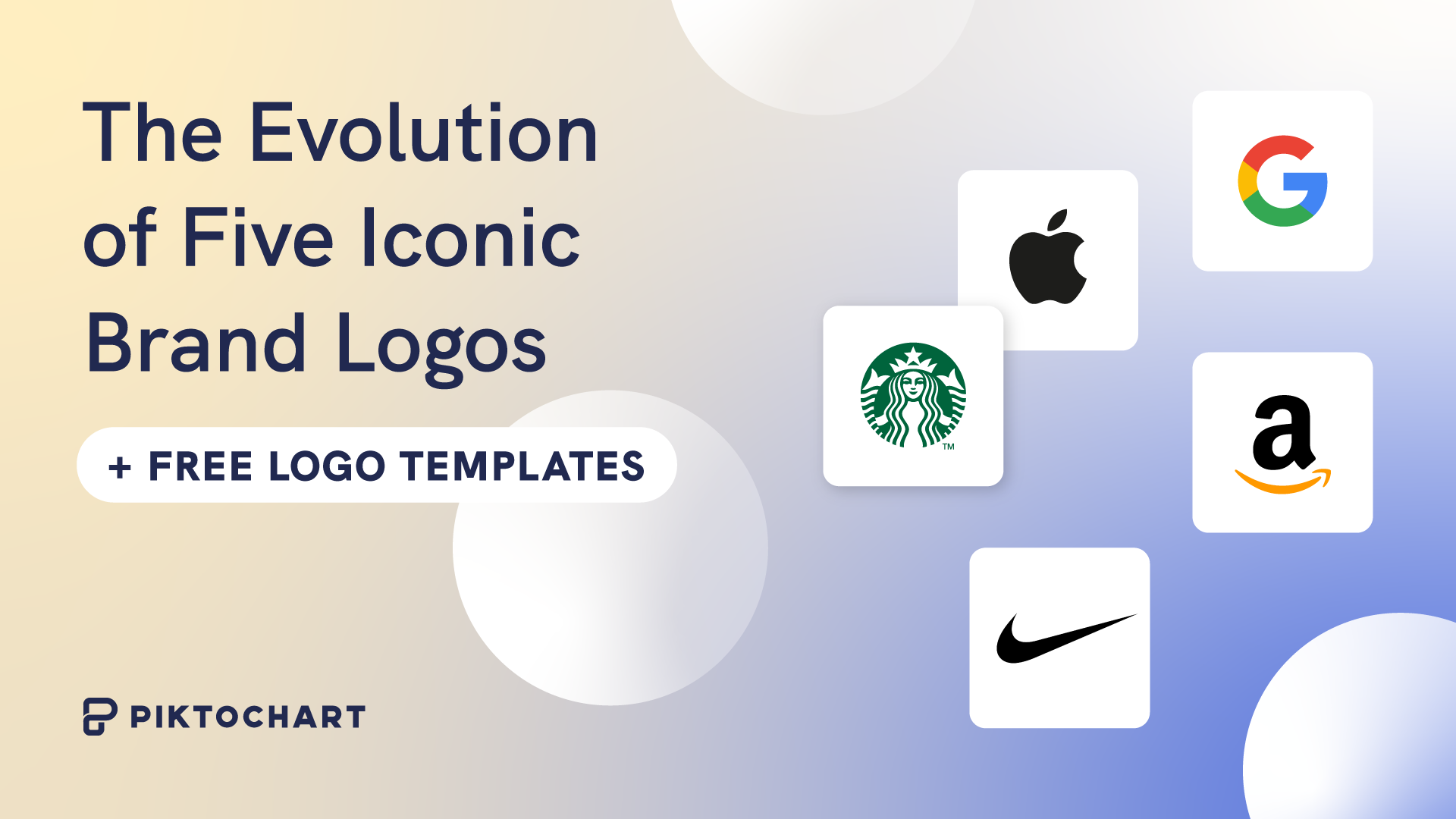
Nike’s Swoosh. Apple’s apple. Neither requires an explanation. Neither depends on a specific color to be recognized.
Nike’s mark appears in black, white, and every colorway imaginable; Apple’s logo has lived in chrome, white, silver, and black across three decades of products. You see either mark and your brain files it instantly: not because these companies spent billions on advertising (though they did), but because the logos themselves are engineered for speed.
This is the cognitive science behind simplicity: the easier a design is to process, the more the brain registers it as trustworthy and familiar. Psychologists call this cognitive fluency. Designers call it good work. Your customers call it recognizable.
Complexity is the enemy of recognition. A logo stuffed with gradients, drop shadows, intricate illustrations, and three competing fonts might look impressive at full size on a desktop monitor. Shrink it to a mobile app icon – 60 pixels wide – and it becomes an unrecognizable blur. That blur is where brand trust goes to die.
The logo mistakes that cost businesses the most are almost always complexity-related: too many elements, too many colors, too much detail fighting for attention. Strip your concept back to its single most important visual idea. One shape, or one letterform, or one symbol – executed with precision.
2) Memorability: Winning the Battle for Attention
Simplicity and memorability are not two separate goals. They are the same goal, approached from different angles. A logo is memorable because it is simple enough to describe to a stranger in one sentence.
You might also find our article on best ai chart and graph makers useful.
“It’s the arrow that goes from A to Z.” That’s Amazon’s logo. One sentence. One idea. And hidden inside that arrow is a second idea – a smile – that you probably didn’t notice until someone pointed it out. That’s negative space working at its highest level: a logo carrying two meanings while appearing to carry one.
This is what separates a logo that gets recognized from one that gets remembered. Recognition is passive – your customer sees your mark and registers it. Memory is active – your customer sees your mark, stores it, and is able to easily recall it later when they’re ready to buy.
Brand recognition increases by up to 80% through consistent, distinctive visual identity. Distinctive doesn’t mean complicated. It means owning one specific visual idea so completely that no competitor can occupy the same space in your customers’ minds.
Ask yourself: can someone who saw your logo yesterday describe it accurately today? If you showed them three logos a week later, could they picked yours from a line-up? If the answers are no, the logo isn’t doing its job.
3) Timelessness: Avoiding the “Trend Trap”
In 1971, a graphic design student named Carolyn Davidson charged Nike $35 to design the swoosh. It has barely changed in over 50 years. Coca-Cola’s script logo has been in continuous use since 1887 – refined, never replaced.
Pepsi, by contrast, has redesigned its logo more than ten times. Each redesign chased the design sensibility of its era: psychedelic in the 70s, beveled and glossy in the 2000s, flat and minimal in the 2010s. The result is a brand identity with no fixed center of gravity – and a logo that requires constant reintroduction to its own audience.
Trendy fonts, gradient fills, neon color schemes, and overly geometric letterforms all carry expiration dates. What reads as modern today reads as dated in three years and embarrassing in five. Designing for timelessness means designing for principles, not for Pinterest boards.
The practical test: look at your logo concept and ask whether it would have worked in 2015. How about in 2005? Would it work in 2035? If the answer to either question is no, you’re chasing a trend, not building a brand.
Classic typography, balanced composition, and a restrained color palette outlast every design cycle. Always.
4) Versatility and Scalability: From Billboards to Business Cards

Your logo will live in more places than you expect. A website header. A 16×16 pixel browser favicon. A social media profile picture. A printed business card. A vinyl banner at a trade show. A vehicle wrap. Each of these surfaces has different dimensions, different color environments, and different viewing distances.
A good logo must survive all of them without losing its integrity.
Recommended reading: 9 AI Logo Generators for Small Businesses: 2026 Picks
This is where the vector vs. raster distinction becomes the most important technical decision a non-designer will ever make about their logo. Raster images (JPEGs and, PNGs) are built from fixed pixels. Scale them up and they blur. Vector files (SVG, EPS, and AI) are built from mathematical paths. Scale them to the size of a building and they remain razor-sharp. Your logo must exist as a vector file. No exceptions.
The Three Tests Every Logo Must Pass
Before finalizing any logo, run it through these three diagnostics:
The Squint Test: Blur your eyes and look at your logo. Does the overall shape hold together, or does it dissolve into visual noise? A logo that survives the squint test has strong enough contrast and form to communicate at a glance.
The Black and White Test: Strip all color from your logo. Does it still work? A strong logo retains its integrity in full color, grayscale, and monochrome. If removing color makes the logo unrecognizable, the design is leaning on color to do structural work. A logo that only functions in full color will fail on a laser-engraved pen, an embroidered staff uniform, a shipping label, or a Slack profile icon rendered at 36 pixels in dark mode – all surfaces a growing business will encounter sooner than expected.
The Billboard Test: Scale your logo down to the size of a favicon – 16×16 pixels. Now scale it up to the size of a billboard. Does it hold up at both extremes? If small details disappear at the small end or look sparse at the large end, the design needs adjustment.
5) Appropriateness: Aligning With Your Brand Identity
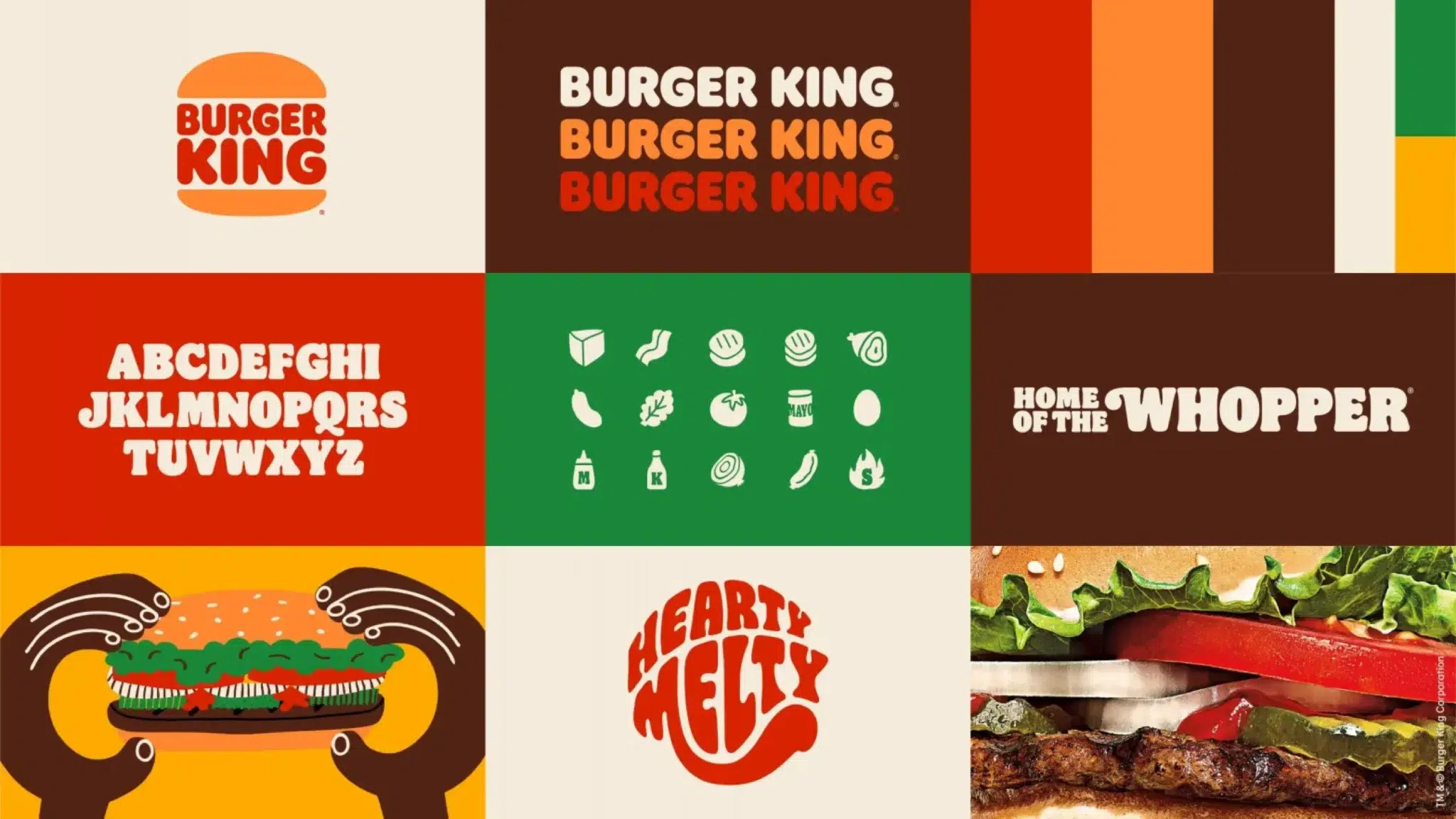
A logo doesn’t exist in a vacuum. It exists in a context: an industry, a customer demographic, a set of expectations that your audience brings before they ever see your mark. A logo that violates those expectations doesn’t just look wrong – it actively undermines trust.
A law firm logo shouldn’t look like a toy store logo. A children’s brand shouldn’t carry the visual weight and severity of a financial institution. These mismatches aren’t matters of taste; they’re failures of communication. The logo is sending a signal that contradicts what the business actually offers, and the customer’s subconscious registers the conflict.
Shape psychology is the most underused tool in this conversation. Rounded forms tend to feel warm and approachable – they signal openness, accessibility, and care. Angular forms signal strength, precision, and durability. Research confirms that people rate the same product as more comfortable when paired with a circular logo and more robust when paired with an angular one. The shape of your logo is communicating your brand’s personality before the viewer reads a single letter.
This extends to every design element. The visual weight of your typography, the spacing between elements, the complexity of your mark – each one sends a signal. A luxury brand uses elegant serif typography and subdued color tones to convey sophistication. A technology startup opts for bold, modern typography and vibrant colors to signal innovation. Neither is wrong; both are deliberate.
The question to ask before finalizing any logo design decision is: does this element match what my target audience expects from a brand in my category? If the answer is no, the element is working against you.
6) Color Psychology: Communicating Without Words
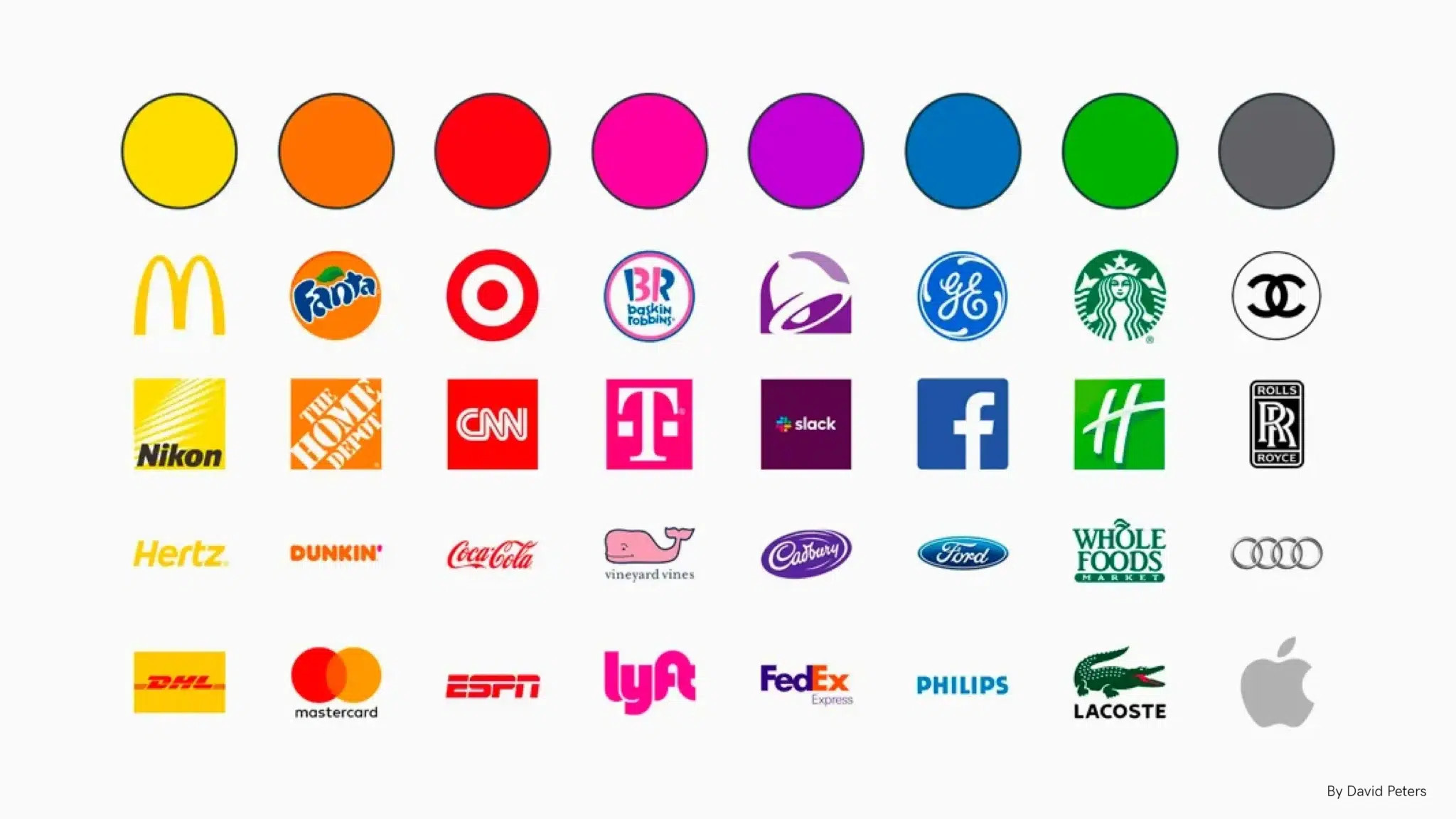
Color is not decoration. It’s a communication channel that operates independently of language, shape, and typography – and it’s the fastest one. Research shows color alone boosts brand recognition by up to 80%. Before a customer reads your business name, before they register your logo’s shape, they’ve already received and processed a color signal.
That signal carries meaning whether you intend it to or not. The question is whether the meaning it carries matches your brand.
What Colors Communicate
| Color | Primary Associations | Industries That Use It |
| Blue | Trust, stability, reliability | Finance, healthcare, technology |
| Red | Energy, urgency, appetite | Food, retail, entertainment |
| Green | Growth, health, sustainability | Wellness, food, environment |
| Black | Luxury, authority, sophistication | Fashion, premium goods, technology |
| Yellow/Gold | Optimism, warmth, attention | Food, retail, children’s brands |
| Purple | Creativity, wisdom, premium | Beauty, education, luxury |
| Orange | Friendliness, enthusiasm, affordability | Retail, food, creative industries |
The Two-Color Rule
Limit your logo’s color palette to two, maximum three, colors. Every color added beyond that increases visual complexity, reduces legibility at small sizes, and multiplies printing costs. More critically, each additional color dilutes the psychological signal. A logo built on one dominant color delivers one clear emotional message. A logo built on five colors delivers noise.
The Shape-Color Relationship
Color does not operate in isolation. Aligning color psychology with shape psychology creates a unified brand signal – the goal being a single, clear impression where shape, typography, and color work together so the logo communicates confidently. Soft shapes paired with harsh colors create tension. Strong shapes paired with muted colors weaken impact. The most effective logos treat color and shape as a single decision, not two separate ones.
The Black and White Checkpoint
Before committing to a color palette, confirm the logo works without it. If the design collapses in black and white, the color is doing structural work that the form itself should be doing. Color should amplify a strong design – not rescue a weak one.
7) Typography: Choosing Your Brand’s Voice
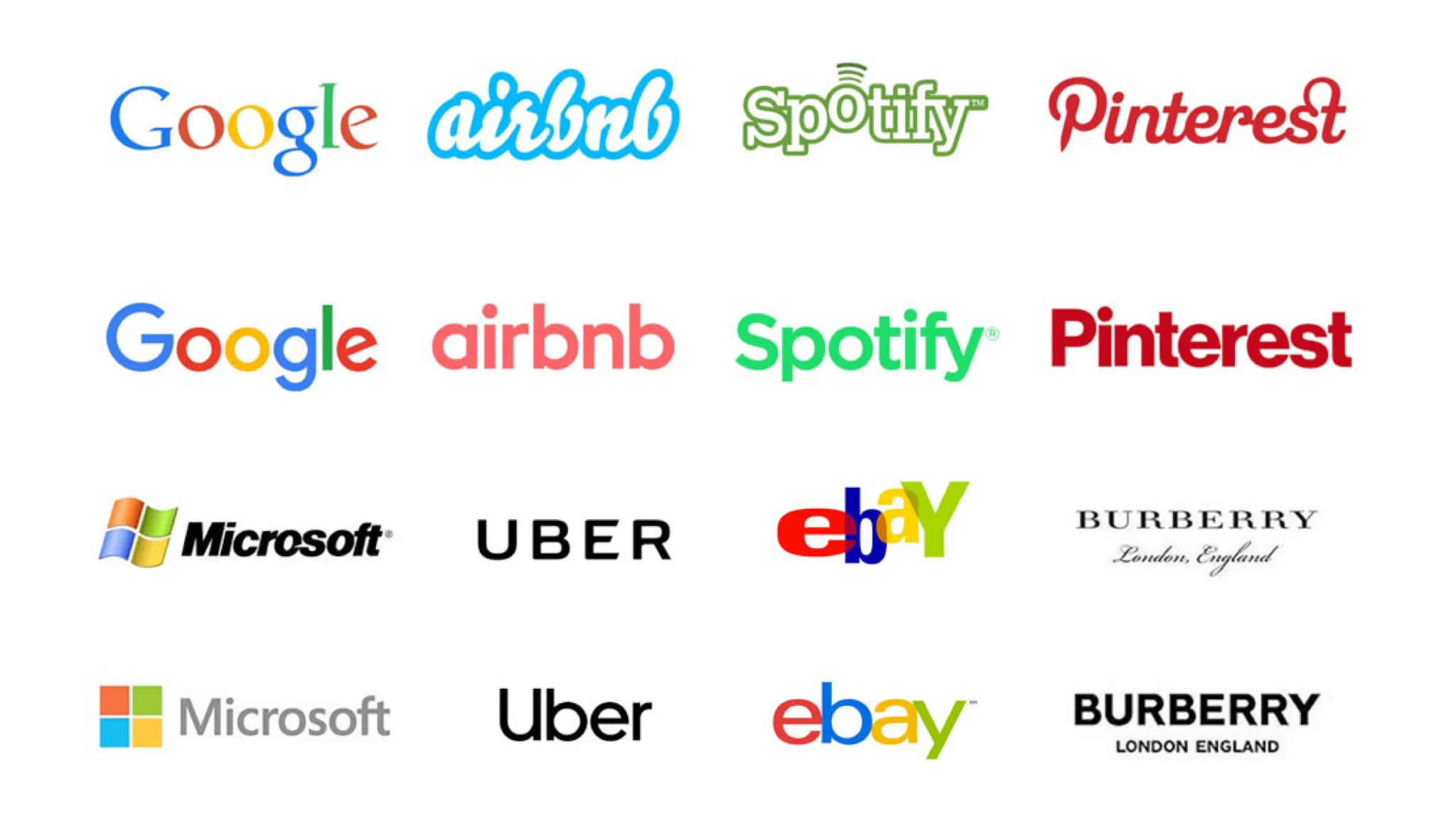
If your logo includes your business name – and most do – then typography isn’t a supporting element; it’s half the logo. The typeface you choose carries a personality signal as powerful as any shape or color, and it communicates that signal whether or not you made the choice consciously.
Serif vs. Sans-Serif: The Foundational Decision
Every typeface belongs to one of two broad families, and each family sends a distinct message:
Serif fonts – typefaces with small decorative strokes at the ends of letterforms – communicate tradition, stability, and authority. They are the typographic language of law firms, newspapers, heritage brands, and financial institutions. The Coca-Cola script, the New York Times masthead, the Tiffany & Co. wordmark are all rooted in serif or classical lettering traditions. When a brand wants to signal that it has been around for a long time, that it can be trusted, and that it operates with gravitas, it conveys this with a serif font.
👀➡️ HOW TO CHOOSE THE MOSTP ROFESSIONAL FONTS| ‘8 Professional Fonts: Best Serif & Sans Serif Choices for Business’
Sans-serif fonts – typefaces without those decorative strokes – communicate modernity, clarity, and approachability. They are the typographic language of technology companies, healthcare brands, and modern retailers. Google, Airbnb, Spotify all use sans-serif typography. When a brand wants to signal that it is clean, forward-thinking, and accessible, it conveys this with a sans-serif font.
Script and decorative fonts occupy a narrower use case. Script fonts suggest elegance and creativity; they work for boutique brands, artisan products, and personal services. Decorative fonts can be distinctive, but they carry significant legibility risk at small sizes and across different formats.
The Legibility Requirement
A font can be beautiful in isolation and illegible in application. At 10 pixels on a mobile screen, at 30 feet on a sign, and at one color on a printed receipt – your typeface must remain readable under every condition your logo will face. Unclear typography reduces accessibility and professionalism regardless of how sophisticated the letterforms appear at full size.
Limit your logo to one typeface, two at most. Multiple fonts create visual competition that fragments the brand signal. One well-chosen typeface, applied with consistent weight and spacing, communicates more clearly than three fonts attempting to express the same idea from different directions.
How to Apply These Elements Without a Design Degree
Understanding these seven logo design principles is the first step in your design. Executing them without expensive design software or years of typographic training is the second – and for most small business owners, it’s the latter half that stops them cold.
It’s also precisely the gap Piktochart’s Logo Maker was built to close.
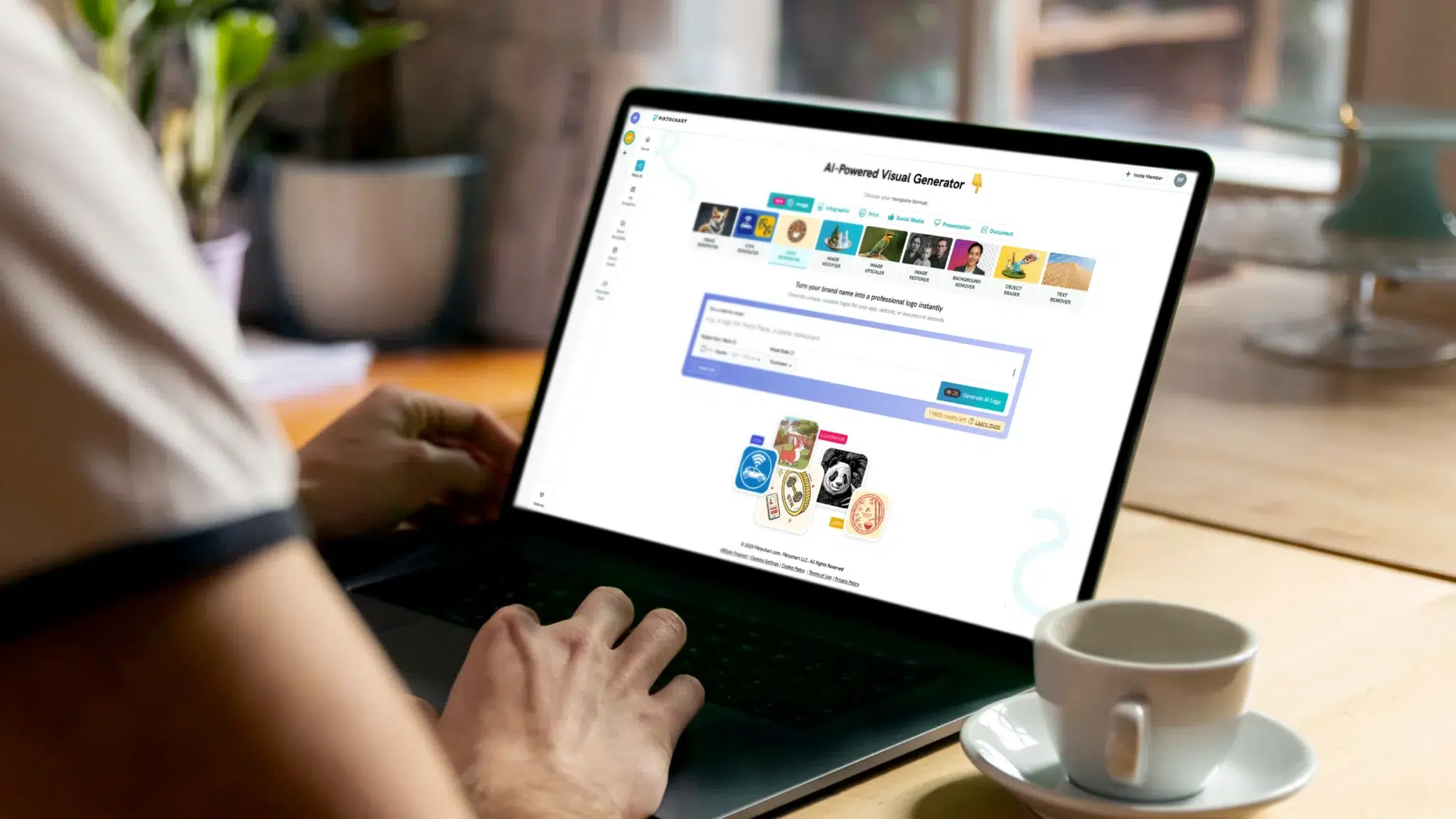
Every template in Piktochart’s library is pre-built using these logo design principles. The font pairings have already been tested for legibility and brand coherence. The color palettes are built on psychological resonance, not random selection. The spacing, visual balance, and proportional relationships between elements are already resolved – by professional designers, before you even open the editor.
What that means in practice: you’re not starting from a blank canvas trying to remember whether your law firm should use a serif or a sans-serif. You’re starting from a professionally designed foundation and making it yours – swapping your business name in, selecting the color palette that matches your industry, choosing the mark that fits your brand’s personality.
The AI-powered generation tools go further. Enter a prompt describing your business and Piktochart generates a visual starting point in seconds – one that already satisfies the simplicity, scalability, and color requirements covered in this guide. From there, every element is fully customizable: typography, color, layout, and spacing can all be adjusted in the editor without touching a single design file.
Conclusion: Your Logo Is Your Handshake
Every principle covered in this guide is technical at its surface. Scalability, color psychology, typographic legibility, vector formats – these are design mechanics. But the goal beneath all of them isn’t technical. It’s emotional.
Your logo is the first handshake your business extends to every customer it will ever have. It happens before a word is spoken, before a price is seen, before trust has had any chance to be earned through experience. In that moment, a well-designed logo says: “We are credible. We are considered. You are in the right place.” A poorly designed one says the opposite – silently, instantly, and at scale.
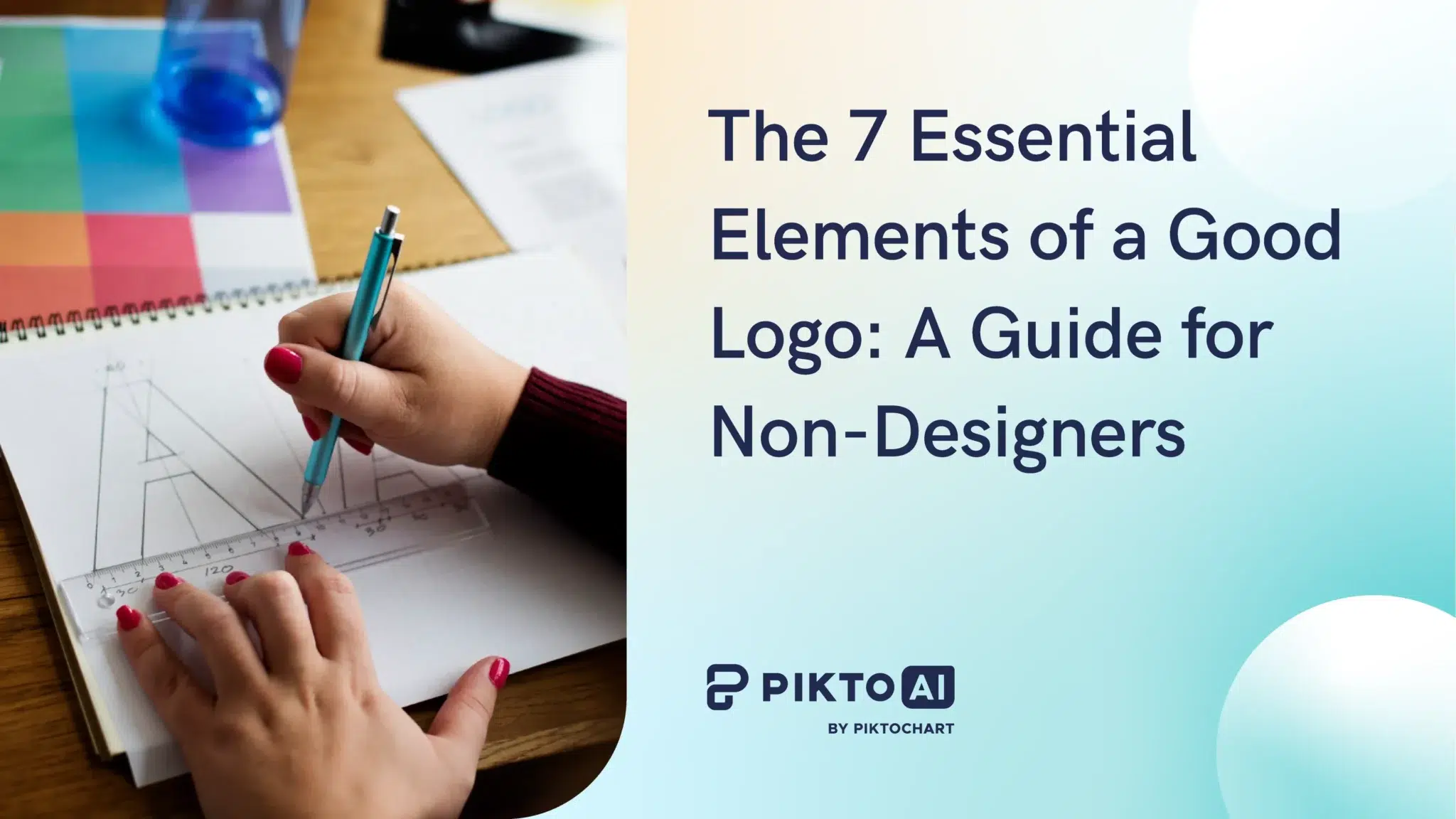
Before opening any design tool, sketch your ideas on paper. A pen (or pencil!) drawing forces clarity. It strips away the temptation to compensate for weak form with color effects or decorative fonts. If the idea holds up as a rough sketch, it will hold up as a logo.